
Melasma and Stubborn Pigmentation Care
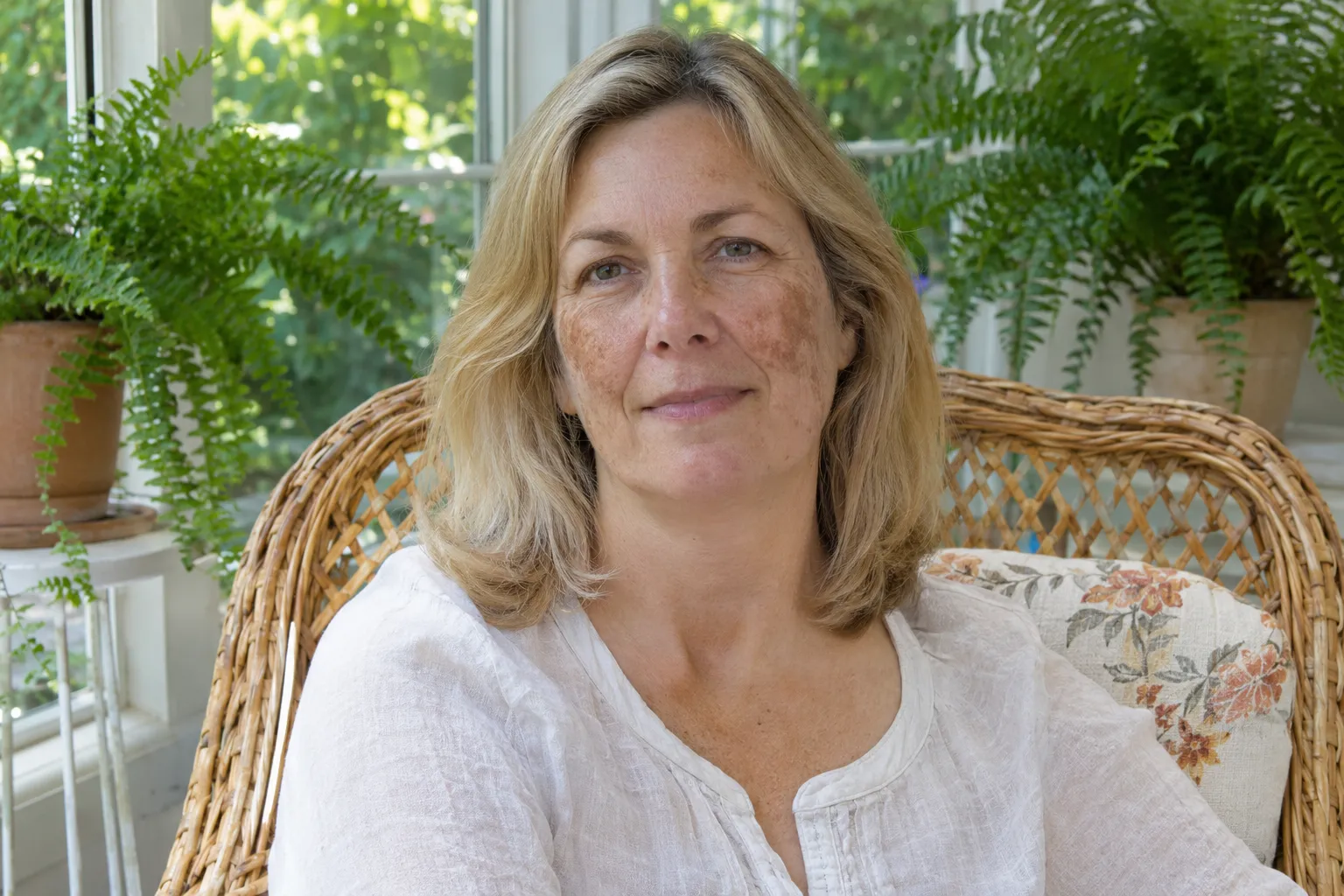
DermNet calls melasma "a common acquired skin disorder" that shows up as "blotchy, brownish facial pigmentation." An agreement for pigmentation care should use words as plain as those. If a form only says "discoloration," ask which condition it means.
The AAD states the goal of treatment this way: "Decrease how much pigment your body makes." Read a clinic's treatment clause against that sentence and see whether it names a goal at all.
The three articles and the clause each one checks
Each article takes one claim a Ponte Vedra reader may hear before signing.
- How Specialists Diagnose and Treat Melasma checks the diagnosis line and the promise of a treatment plan.
- Dark Patches Following Light Treatments checks whether a form warns about marks left behind.
- Upper Lip Melasma Causes and Fixes checks the triggers a clinic names and the fixes it offers.
What published sources add
The AAD publishes a page on melasma diagnosis and treatment. Harvard Health has a piece titled a mask that's hard to shed. Both are worth keeping beside a treatment agreement.
A review of post-inflammatory hyperpigmentation in skin of color lists emerging therapies and treatment algorithms in its title. A comparison of chemical peeling agents in melasma names both the agents and the condition. A peel listed in a package should be named just as exactly.
The question about pigment that does not change
Ask the clinic which sentence in its terms says what happens if the pigment does not change. Ask for that sentence in writing before you pay.